
Comparing Suburban vs. Urban Living: Which Is Right for You?


Introduction to Suburban and Urban Living
Choosing between suburban and urban living is a significant decision that can greatly impact your lifestyle. Each option offers unique benefits and challenges, depending on personal preferences and priorities. This post explores the key differences between suburban and urban living to help you make an informed choice.

Cost of Living
One of the primary considerations when deciding between suburban and urban living is the cost of living. Generally, suburban areas tend to offer more affordable housing options compared to urban centers. You might find larger homes with yards in the suburbs for the same price as a smaller apartment in the city.
Urban living, on the other hand, often comes with higher costs, especially in major metropolitan areas. Rent, utilities, and everyday expenses can add up quickly. However, the convenience of having everything within reach can be a worthwhile trade-off for some.
Transportation and Commutes
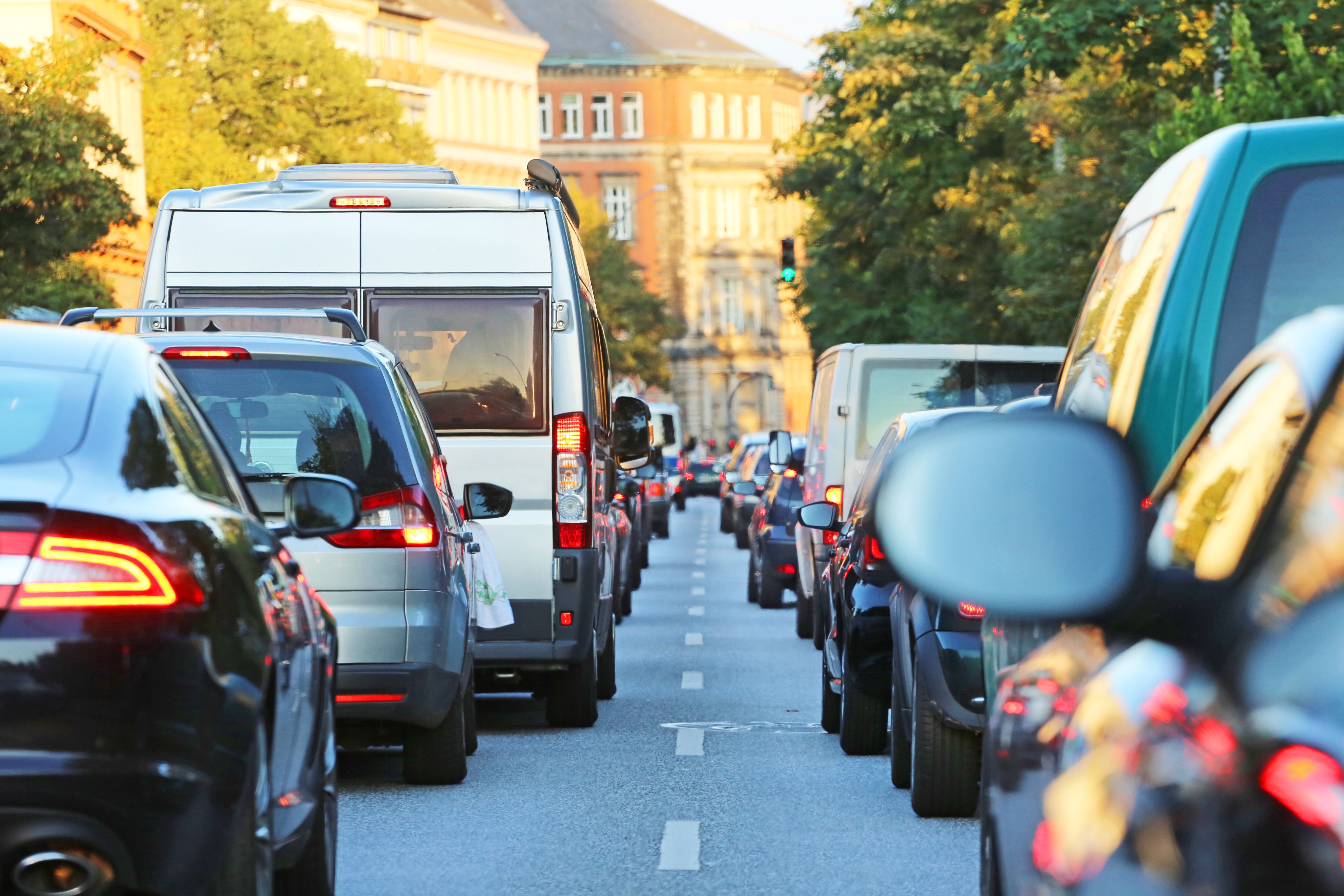
Transportation is another crucial factor. Suburban living often means longer commutes, particularly if you work in the city. This can result in more time spent in traffic or on public transportation. However, suburbs may offer less congestion and easier parking.
Urban dwellers typically enjoy shorter commutes, as cities provide extensive public transport networks. Walking or cycling to work can also be viable options. The trade-off is that urban areas often have more traffic and limited parking.
Access to Amenities
Urban areas are known for their abundance of amenities. From restaurants and theaters to shopping and nightlife, cities offer a vibrant lifestyle with plenty of options for entertainment and dining. Everything is conveniently located, making it easy to explore new experiences.
Suburban living provides access to amenities as well, but they might require more travel. Suburbs often focus on community-centered activities, with parks, local events, and community centers playing a vital role in residents' lives.
Community and Lifestyle
Community dynamics differ significantly between suburban and urban settings. Suburbs are often characterized by a tight-knit community feel, where people know their neighbors and participate in local events. This can offer a sense of belonging and security for families.
In contrast, urban living can be more fast-paced and anonymous. While cities offer opportunities to meet diverse groups of people, the hustle and bustle might not suit everyone. However, the cultural diversity and vibrant atmosphere can be appealing to those seeking new experiences.

Conclusion: Making the Right Choice
Ultimately, the decision between suburban and urban living depends on your personal lifestyle preferences and priorities. Consider factors such as budget, commute, access to amenities, and the type of community you wish to be part of. By weighing these aspects, you can choose the environment that best aligns with your needs and aspirations.