
The Ultimate Guide to Buying Your First Home


Understanding Your Budget
Buying your first home is an exciting milestone, but it requires careful financial planning. Begin by assessing your current financial situation. Calculate your monthly income, existing debts, and expenses. This will help you determine how much you can afford for a down payment and monthly mortgage payments.
Consider getting pre-approved for a mortgage. This process involves a lender reviewing your financial information to determine how much they are willing to lend you. Pre-approval not only gives you a better understanding of your budget but also makes you a more attractive buyer to sellers.

Choosing the Right Location
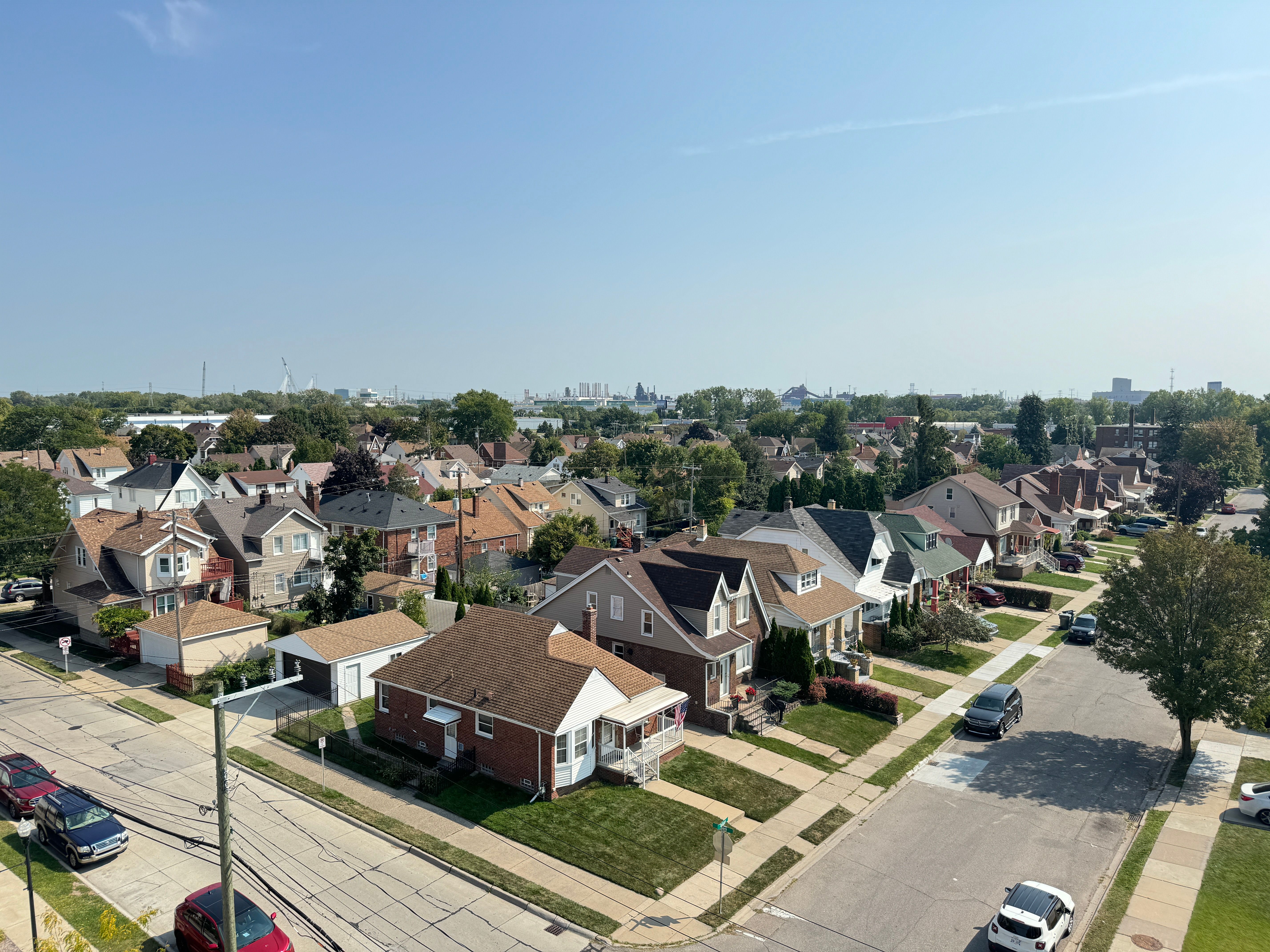
Location is a crucial factor when buying your first home. Think about your lifestyle and priorities. Do you want to be close to work, schools, or family? Consider the neighborhood's safety, amenities, and future growth potential. It's also wise to visit the area at different times of the day to get a full picture of the community.
Research the local real estate market. Understanding market trends can help you identify a good deal and make a smart investment. Look into property values, recent sales, and future development plans in the area.
Finding the Perfect Home
Once you have a clear idea of your budget and location, start your home search. Make a list of must-have features and desired amenities. This will help you stay focused and avoid feeling overwhelmed by the options. Consider working with a real estate agent who can guide you through the process and provide valuable insights.
Attend open houses and schedule private showings to explore different properties. Take notes and photos to keep track of your favorite homes. It’s essential to keep an open mind and be patient as you search for the perfect match.
Making an Offer
When you find a home you love, it’s time to make an offer. Your real estate agent can help you determine a competitive yet reasonable offer price. They will also guide you through the negotiation process, which may involve counteroffers and contingencies.
Be prepared to act quickly in a competitive market. Having your finances in order and being pre-approved for a mortgage can give you an edge over other buyers. Remember to include a home inspection contingency in your offer to ensure the property is in good condition.
Closing the Deal
After your offer is accepted, you’ll enter the closing phase. This involves several steps, including a home inspection, appraisal, and finalizing your mortgage. During this time, stay in close communication with your real estate agent, lender, and attorney to ensure a smooth process.
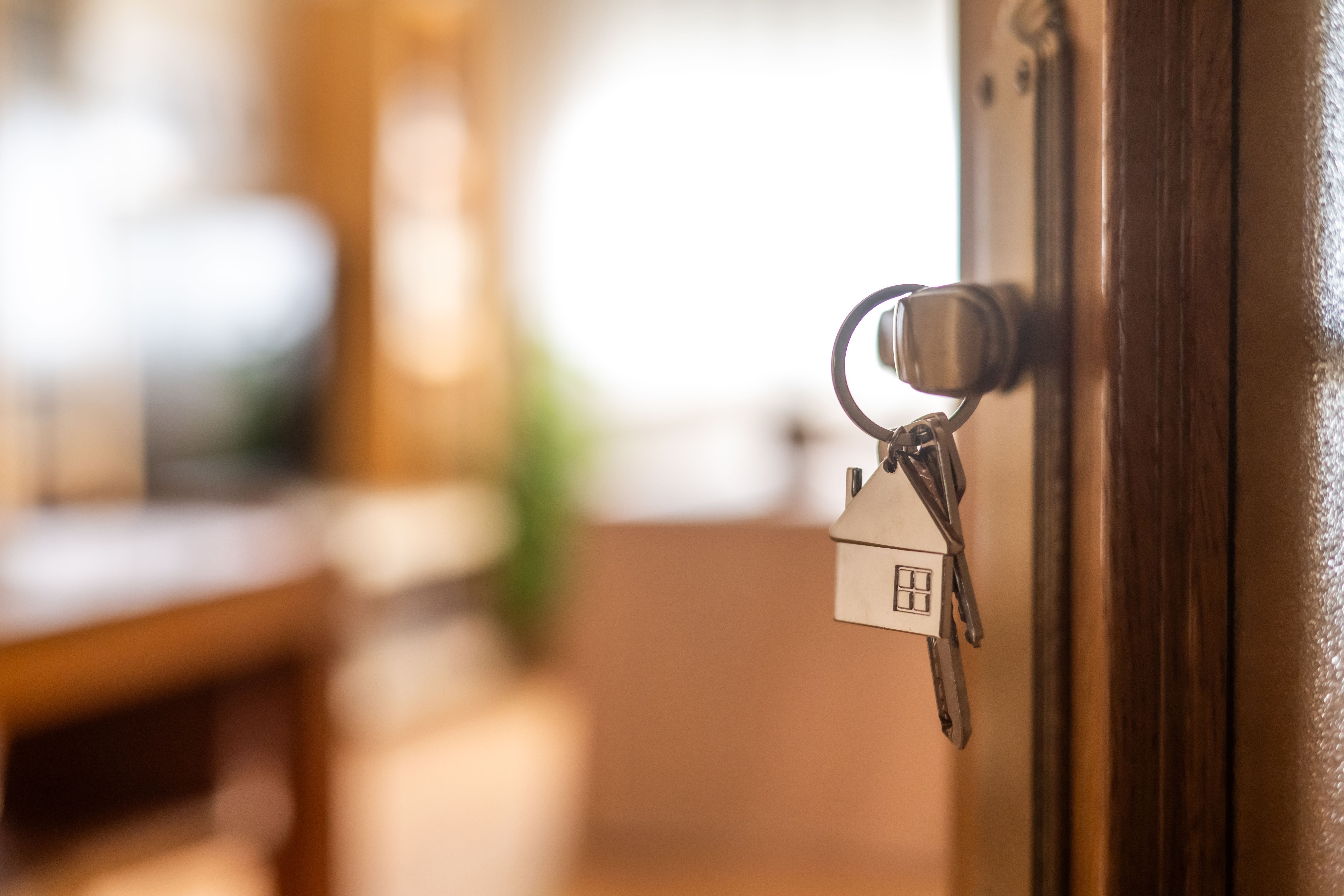
On closing day, you’ll sign the necessary paperwork and pay the closing costs. Once everything is finalized, you’ll receive the keys to your new home. This is a momentous occasion and the culmination of your hard work and planning.

Moving In
Congratulations! You’re now a homeowner. Before moving in, consider changing the locks for security and addressing any immediate repairs or updates. Plan your move carefully to minimize stress and ensure a smooth transition.
Take some time to get to know your new neighborhood and introduce yourself to neighbors. Enjoy the excitement of settling into your first home and making it your own. Remember, homeownership is a journey, and there will always be opportunities to personalize and improve your space.